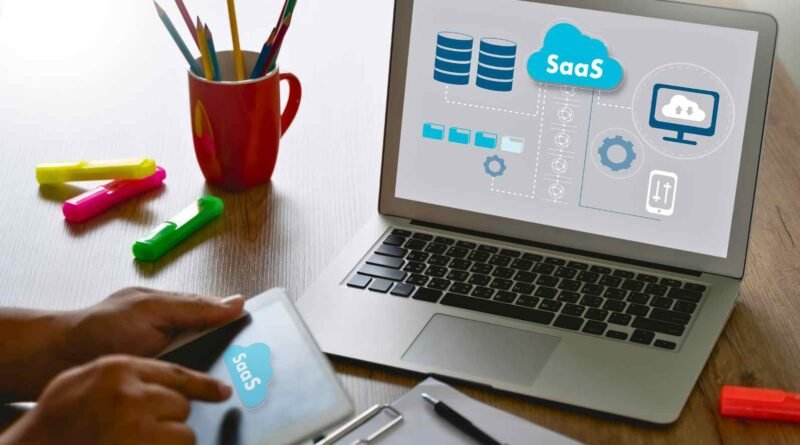
SaaS Business Explained: Is Subscription Based Growth Worth It?
One of the most heavily discussed business models of the past few years has been Software as a Service SaaS, for short. From small startups to huge corporations, So many businesses have moved from one-time purchase tools to a subscription-based software model. This has altered how software is paid for, sold and scaled. Entrepreneurs and investors find SaaS to be sexy because of recurring revenue and the long term expected customer value. But it also takes patience, constant improvement and tight customer loyalty.
What A SaaS Business Is And How It Works
A SaaS business offers software via the internet, rather than as a product that’s downloadable. Customers use the software online, and pay a fee which is also generally recurring (though sometimes offered as an annual or monthly subscription). The software is not required to be downloaded or maintained locally. These tools can range from accounting and marketing to project management, customer support and even communication. Users log in through a web browser or the app and receive regular updates automatically.
In that model, the business does:
- Building and maintaining the software
- Improving features over time
- Supporting users continuously
The Customer Relationship Doesn’t Stop After One-Time.
Why Subscription Based Growth Attracts Businesses
Subscription-based expansion is alluring because of its predictable revenue. Rather than depending on new sales each month, SaaS businesses make money off of the same customers over and over. This makes financial planning easier.
Then there is the customer lifetime value. The longer subscribers hang around, the more revenue you’ll extract from each user. Even monthly fees that are small can add up over many years.
How SaaS Companies Really Churn Like & SaaS Companies Make Money
Software as a Service (SaaS) companies typically provide you with a choice of pricing plans defined by the number of features, volume or even users. This enables them to work with individuals, small businesses as well as large corporates.
Common revenue methods include:
- Monthly or yearly subscriptions
- Tiered pricing plans
- Add-on features or upgrades
And some companies provide free trials or basic free editions to lure users and convert them into paid customers later. Profit margins get better as you scale and operating costs normalize.
Advantages Of The SaaS Model For Business
SaaS has a few key strengths that lend themselves to long-term growth. And as software is built once, it can be sold to many customers without great added cost. This improves scalability.
Key benefits include:
- Predictable and recurring revenue
- The ease of reaching the world through the web
- Continuous customer relationships
- Regular feedback for improvement
SaaS companies also gain from data. Usage data can help companies better understand customer behavior, and make features better based on actual needs.
A Set Of Challenges And Open Questions Us For Subscription-Driven Growth
But SaaS has its downside, too: It’s not an easy business. The biggest challenge is customer churn, or users cancelling subscriptions. Even modest churn rates can decelerate growth. A further difficulty is the high cost of initial investment. Time and money are needed to write quality software, hire developers, support users. Profit comes later as a general rule, not sooner.
Other common challenges include:
- Strong competition
- T H E: Repercussions of guate’s failure.CASCADENeed to be in constant flow and security
- Business customers just have long sales cycles
- The gains from growth accrue to the patient, not the swift
Retention Is More Important Than New Customer Gain
For products like SaaS, retention is more critical than acquisition. Retention lowers marketing expenses and enhances profit in the long run.
Happy customers are more likely to:
- Renew subscriptions
- Upgrade plans
- Recommend the product to others
That’s why top-flight SaaS companies spend a huge amount of time and money on customer support, onboarding and user experience. It’s no longer enough to just have a good product; people must continue to derive value from it.
Is SaaS Right For Small Businesses And Startups
You can use SaaS for startups and small teams also, but with the right expectations. It is not a “quick profit” model. In the early stages there should be a lot of learning, testing and iterating based on feedback.
SaaS works best when:
- The problem that is being solved is a real and ongoing one
- The intended audience is well established
- The product offers ongoing value
Most of the successful SaaS companies began small, with a clearly defined problem and got marginally better over time.
Conclusion
There is undoubtedly long-term potential of the SaaS business model, but not without hard work and more importantly, immediate. Expansive growth through subscription offers predictable income, scalability and customer loyality however it comes with a price that is patience periodic improved with strict retention strategies. SaaS is damn well worth it for the entrepreneurs willing to take the time to build something of value, rather than trying to play lotto and score the quick win. When executed the right way, it can ultimately become one of the most stable and lucrative business models in our modern digital economy.
FAQs
Q1. Is SaaS Business Good For Long Term Investments?
Yes, SaaS can be a very profitable business when you have significant customer base and retention.
Q2. How Many Years Does It Take A SaaS Business To Be Successful?
Most SaaS companies are not overnight successes and do take time to grow.
Q3. Is Subscription-Based Growth Risky?
If the rate of keeping customers isn’t high, it can be a risky strategy, but a healthier perceived value reduces risk.
Q4. Can tiny groups build SaaS companies?
Yes, a lot of SaaS products begin with small teams and one problem.
Q5. SaaS Is a Better Business Model than Selling Software for One Time Fees What?
SaaS generally scales and stabilizes better than one-time sales when looking for long-term stability or growth.