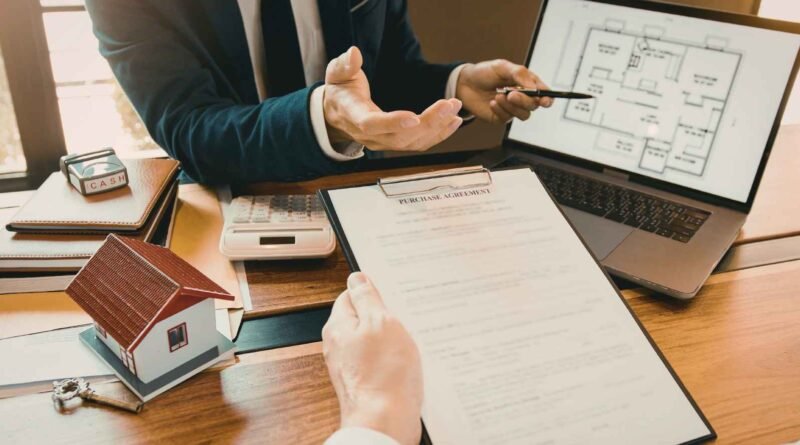
How to Negotiate Property Prices Like a Pro Buyer
Haggling over a property price is one of the few skills that can earn a buyer tens of thousands of pounds, but far fewer people feel confident or comfortable enough to try haggling with an estate agent in front of the person selling their home. Candidates often believe that to be the case with property: They assume prices are set in stone or that asking for anything would offend a buyer. Negotiation Rearranging payment is a standard part of the procedure of purchasing real estate in fact.
Knowing The Importance Of Negotiating On Real Estate Transactions
Property Traders is not just about bringing down the price. It’s about coming to a fair deal on what the market value of the property is, its condition and who will bear the risk of eventual purchaser failure. Even a slight reduction in price can provide significant savings over time, particularly when accounting for loan interest.
Most of properties are priced much higher than their selling price expecting to have some space for a “negotiation”. Sellers also take into account holding costs, urgency and market dynamics. Effective negotiators are typically successful in receiving better payment terms, more favorable pricing and even extras such as no fees or somewhere to sit.
Researching Market Value Before Negotiating
Strong negotiation begins with research. Buyers who understand the real market value of a property are in far better shape than those who look at only asking prices. Market research should factor in what similar properties have recently sold for in the same area, not just advertised listings. Buyers must also know about local demand, supply and pricing trends. When your comparable properties are selling for less, then that is very powerful in negotiations.
Key research points include:
- Latest transaction prices in the area
- Average price per square foot
- Market time of Time properties for sale
Knowledge is power and credibility in a negotiation.
Timing Your Negotiation Strategically
Timing is everything when it comes to property negotiations. People who feel the need to hurry tend to lose their leverage as buyers, and people who find the moment that is perfect for them gain a ton of advantage. Sellers might be more willing to negotiate on price when a property has been on the market for a long time, during slow market periods or near financial year-end. Those who need the cash due to an unexpected life contingency like a job transfer, or may be pressured by their mortgage (requiring them to pay for two homes simultaneously), could also be more willing to negotiate.
Leverage Property Condition As A Negotiating Tool
Property Condition The condition of a property is a direct indicator of its value and must be considered in the negotiation process. Things like ongoing repairs, outdated fittings or less than proactive maintenance can all be used as justification for a lower price.
Rather than emotionally attacking the property, professional buyers calmly identify factual issues. Provides cost estimates regarding required repairs or updates to enhance bargaining position. Indeed, this line of reasoning maintains objectivity and fairness in the discussion.
Condition-related issues routinely negotiated also include:
- Required repairs or renovation costs
- Aging building or infrastructure
- Maintenance quality of common areas
Negotiating on the basis of condition also feels more natural than adversarial.
Leveraging Financial Readiness And Serious Intent
Sellers are looking for buyers’ who are serious and financially prepared. Being prepared is a demonstration of your power in negotiations. Preference may be given to a buyer with existing loan pre-approval, immediate available funds or who can settle on short notice. Sellers treasure certainty and faster deals, sometimes even more than marginally higher offers.
Sensing When to Push and When to Step Back
Successful negotiation requires emotional control. Push too hard and you risk losing a good property; go along with it too easily and, well, wouldn’t have been easier to acquire the right pitch in the first place? The pros know their walk-away price and they stick to it. If talks progress to a point where the deal is no longer financially viable, they are prepared to walk away. This flexibility often lures sellers to return with good offers.
Common Negotiation Mistakes Buyers Should Avoid
There are plenty of buyers who sabotage themselves with avoidable errors. Emotional investment, failure to do your research or disclosing an interview too early can all come between you and a good offer.
Some common mistakes include:
- Showing excitement or desperation
- Negotiating without market data
- The price is the only term considered and all terms are ignored
Avoiding these errors allows buyers to confidently and effectively negotiate.
Conclusion
How to Haggle the Price Like a Professional Buyer By Kacey Bradley To negotiate property prices like a pro buyer, it takes preparation, patience and self-assuredness. Knowing property market value, timing negotiations and using the condition of a property as leverage strategically are all part of the equation while keeping your wits about you. Negotiating isn’t “winning” versus a seller but getting fair value given the evidence and market situations. Buyers who negotiate strategically typically save more money, limit risk and are generally happier with the purchase they finally make. So, while it may seem daunting to negotiate the price of a property, anyone can do so with great success — when they have the right attitude and are properly prepared.
FAQs:
Q1. Are Property Prices Always Negotiable?
Not always but in most cases, depending on market conditions, there is some room to negotiate.
Q2. Buyers How Much Can You Negotiate Off the Listing Price Of A Property, And When Should You Start?
Two Payment: zero Variable Between locations and demand there is no one-size-fits-all discount, but some informed buyers negotiate substantial discounts.
Q3. Is It Possible To Negotiate Too Much And Lose Out On Property?
True, playing hardball without an explanation can put you at risk of losing a great deal.
Q4. First Time Home Buyers: Should You Bargain Or Pay Asking Price?
First-time buyers should negotiate with preparedness, not in the dark.
Q5. Can You Negotiate Other Terms than Price?
Yes, purchasers can bargain terms of payment, dates for possession or fittings included.