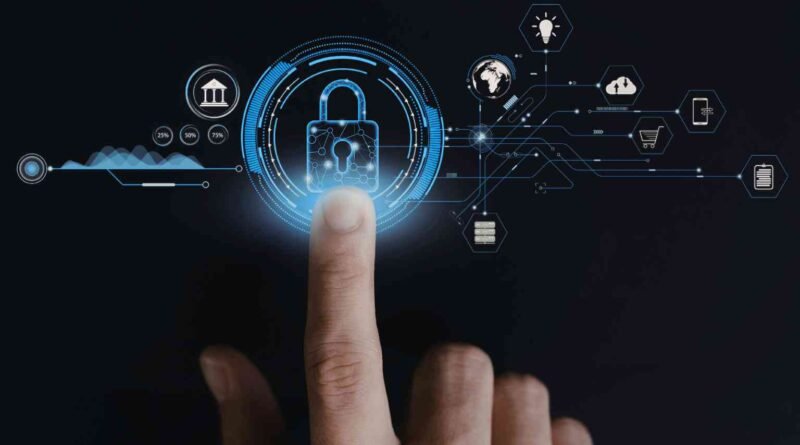
The Rise of Decentralized Identity Technologies
In the world of technology, identification is everything. People share information about themselves online every step of the way, from logging onto social media to paying bills. By tradition such data have been stored or kept with centralised platforms. But now data breaches, consumer privacy and identity theft are driving a stronger demand for secure systems. This has given rise to decentralized identity technologies.
Decentralized identity is intended to return agency to individuals over their personal information. Identity is not stored in a single, central registry=a secure user-managed approach.
1. What Is Decentralized Identity
Decentralized identity is when people own and control their digital credentials without a centralized authority. Commonly built on blockchain or distributed ledger technology, the self-sovereign identity system enables users to securely store and share identity information.
This is putting power in the hands of people rather than institutions.
2. Problems With Centralized Identity Systems
Legacy identity providers store data Identity Proofing & Authentication Overview 39 These systems face several risks:
- Large-scale data breaches
- Identity theft
- Unauthorized data sharing
- Platform dependency
- Lack of user control
Centralization increases vulnerability.
3. How Decentralized Identity Works
Decentralized identity implementations use cryptographic validation of holders’ claims. Rather than disclose full personal data, users can present verified proofs of their authenticity. For instance, disclosing age when the exact birthdate is not disclosed.
This method improves privacy and performance.
4. Self-Sovereign Identity Concept
Self-sovereign identity is where people own and control their own identity data. They make the choice of when to share information and how. These credentials are often stored in digital wallets.
Users take back control of their own data.
5. Benefits of Decentralized Identity
Decentralized systems offer key advantages:
- Improved privacy protection
- Reduced risk of centralized breaches
- Greater user control
- Faster identity verification
- Lower reliance on intermediaries
These benefits drive adoption.
6. Use Cases Across Industries
Decentralized identity systems are proliferating across domains:
- Financial services for secure onboarding
- Healthcare for patient record access
- Government digital IDs
- Online education credential verification
- Cross-border travel authentication
Versatility supports global interest.
7. Role of Blockchain Technology
Blockchain provides secure, tamper-resistant records. It allows decentralized attestation without disclosing excessive personal information. Decentralized ledgers provide transparency and security.
Technology strengthens trust.
8. Challenges and Barriers
Though it still in its stages, decentralized identity also confronts challenges:
- Regulatory uncertainty
- Technical complexity
- Interoperability between systems
- User education gaps
- Scalability concerns
Adoption requires collaboration.
9. Security and Privacy Implications
The privacy that decentralized systems offer comes with the added responsibility of securing digital wallets and private keys. The loss of credentials might complicate access. Security design remains critical.
It requires heavy encryption and backup mechanisms.
10. The Future of Digital Identity
With the rise of more online communications, decentralized identity could eventually go mainstream. Governments and businesses are considering digital identity models that balance privacy with compliance. Interoperable global standards could very well be the next frontier for identity management.
Decentralized Identity is about putting the user, not a intermediary service, in control of their digital relationships. Control, Privacy and Transparency This is the point: Control, privacy and transparency are somewhat central to online identity systems.
Key Takeaways
- Decentralized identity enables user control over personal data
- Verification is facilitated by blockchain, which makes verification secure and tamper-proof
- Reduces threat of massive data breaches
- Scaling within finance, healthcare and government
- challenges of regulation and adoption still remain
FAQs:
Q1. What is decentralize identity at a high level?
It’s a scheme where people own their own digital identity data.
Q2. What sets it apart from conventional identity systems?
Centralized systems are based on a centralized database, while autonomy and control in decentralized systems are distributed.
Q3. Do we even need blockchain for decentralized identity?
Blockchain is often used, but other distributed technologies may be applicable.
Q4. Can decentralized identity reduce fraud?
Yes, the secure prove decreases the identity abuse.
Q5. Will decentralized identity replace official IDs?
It could supplement or slowly supplant existing systems.